
6Harvest time
Your compost is ready to harvest if it looks like dark, rich soil and smells earthy. This normally takes 3 to 6 months. Spread the compost around plants or mix it with soil to create your own potting mix. Always cover soil and compost with a layer of mulch to keep it alive and thriving.
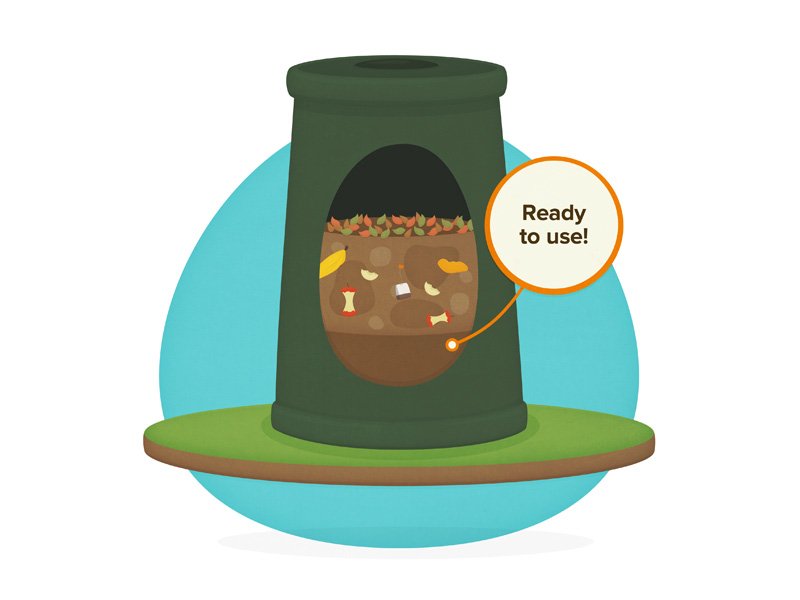
The newer food scraps on the top may not have broken down, so harvest your compost from the bottom of the bin. Any scraps that haven’t broken down yet can be thrown back in.
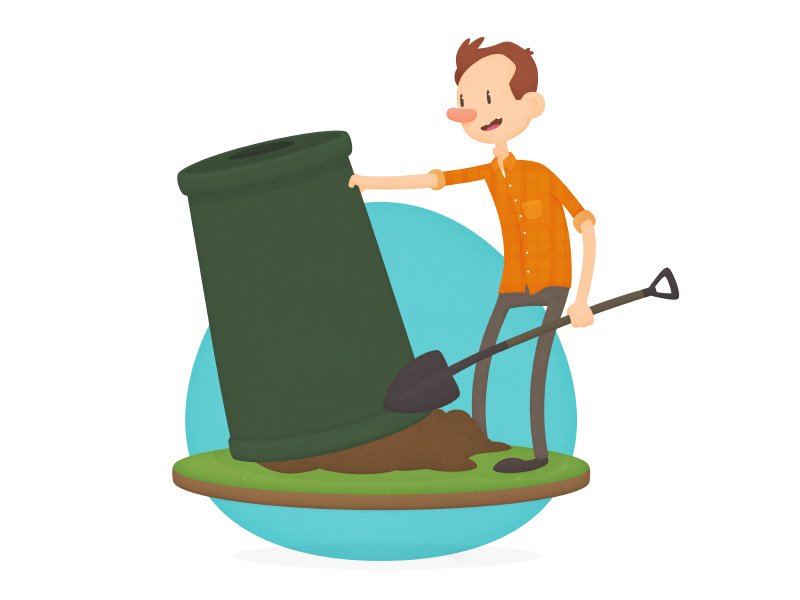
Council supply a compost bin with no door. We've trialled loads of different compost bins in hundreds of real households over the years, and found the ones with doors break much faster. If you want just a little compost, simply tilt the bin to one side and scrape it out with a shovel.
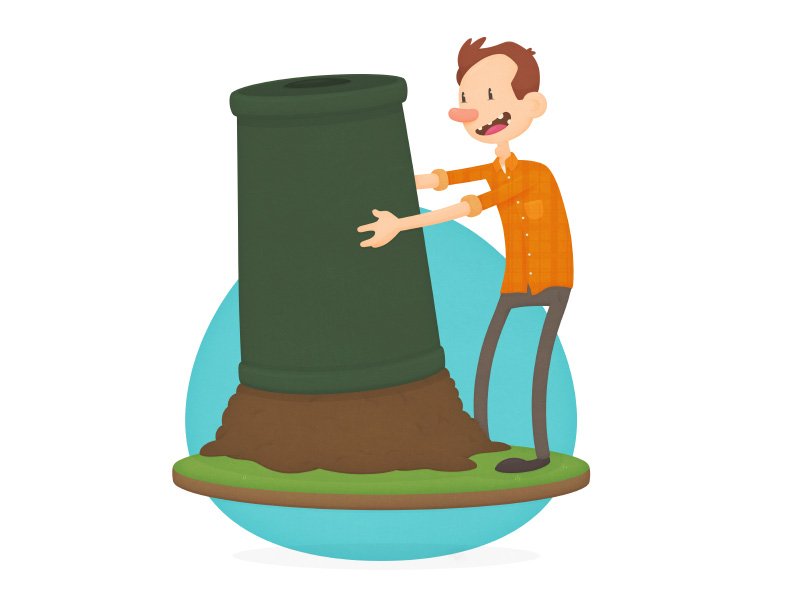
If you want lots of compost, simply lift the whole compost bin off the pile and use the harvested compost on your garden. The compost bin we supply is designed to lift of very easily because of its shape. Any scraps that have not broken down can be thrown back in to kick start your new compost.
Tips
Compost is always good for vegetables and exotics plants, but is often too rich for native plants. A common harvesting problem is finding small patches of “ready” compost mixed with recently-added food scraps. This can be avoided by only stirring the top half of your compost, allowing the “ready” compost to accumulate at the bottom.
Don't worry about eggshells or avocado seeds not breaking down. If the rest of the compost is black, fluffy and smells earthy then it's okay. The eggshells won't be visible in your garden once you add a layer of mulch over the top.
If it's not quite ready to harvest but you want to start another compost - lift the bin off the compost pile, cover it with a tarp or rug and leave it for a few weeks until it's ready.
Did you know?
Your backyard compost is unlikely to get hot enough to kill seeds. If plants like tomatoes and pumpkins sprout where you don't want them, just pull them out and throw them back into the compost or replant them in a veggie garden.
Apartment Composting
What to do with more compost than you need. Finished compost is ideal for topping up garden beds, potting up new plants, or moving a plant into a bigger pot. You can also top-dress up to 5cm thick around existing plants, including in pots — just keep a gap of a few centimetres around the base of the stem, as burying it puts most plants at risk of collar rot (citrus are especially sensitive).
If you still have more than your plants can use, post it on Facebook Marketplace/Community page or your local Freecycle/Buy Nothing group. Some community gardens may even trade produce for a bag of good compost.