Choose your tutorial
Composting, worm farming and bokashi fermentation are the 3 most popular ways to recycle your food scraps into healthy soil and fertiliser. Choose which suits you best depending on your household and garden situation.
For City of Tea Tree Gully Residents only. 1 orders per household per 3 years.
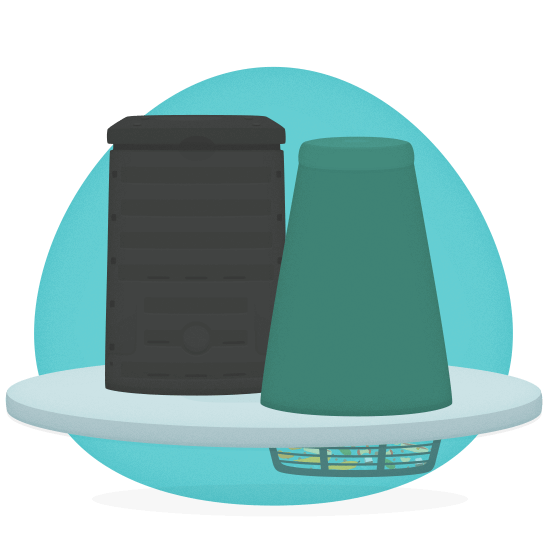
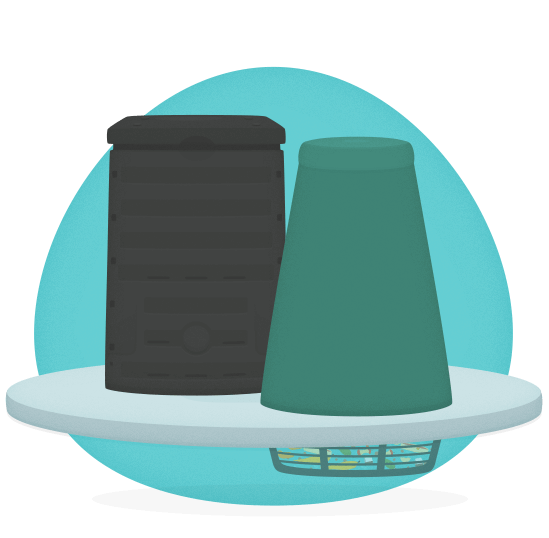
The different composting systems all accelerate nature's natural processes by heating up the compost and concentrating the microbes into a confined space.
Composting systems vary in what they recycle, including all types of organic waste such as food, paper, cardboard, and garden materials. They all process larger volumes, making them suitable for households with a lot of food and/or garden waste.
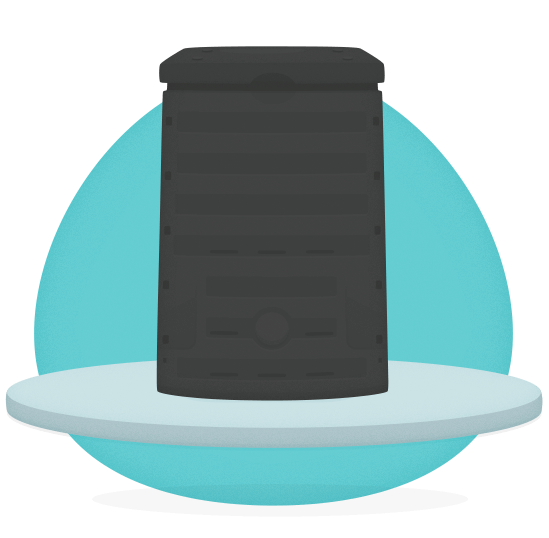
On-ground composters need to be placed on soil. As the scraps break down, nutrient-rich liquid disperses into the surrounding soil, leaving compost to be harvested from the bottom every 6–12 months. Each time you add kitchen scraps, stir them in for about 30 seconds and cover with equal parts garden scraps (kept stockpiled near your compost bin). On-ground composters produce compost in 3–6 months.
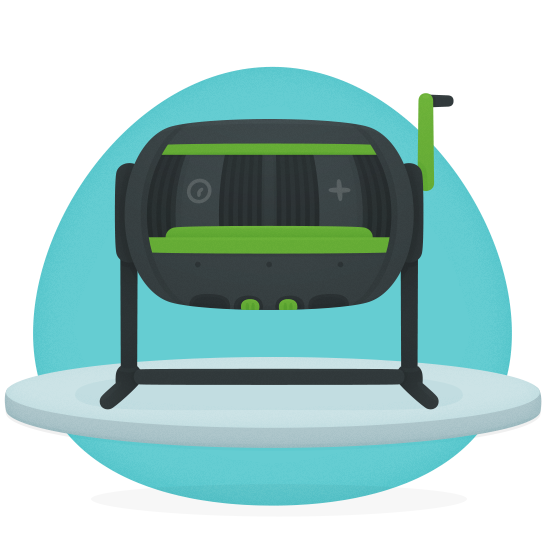
Tumbling composters sit off the ground and can be placed anywhere, including balconies. After adding kitchen scraps, simply rotate the drum a couple of times using the cranks and cover with equal parts garden scraps (kept stockpiled under your tumbler). Tumblers produce compost in 3–6 months.
Solar composters are partially dug into the ground and capture more heat from the sun, which aerates the compost without the need to turn it. They are faster than the other two systems and require less maintenance. They do not compost garden organics but do process all kinds of food waste and even pet poo!
Select tutorial
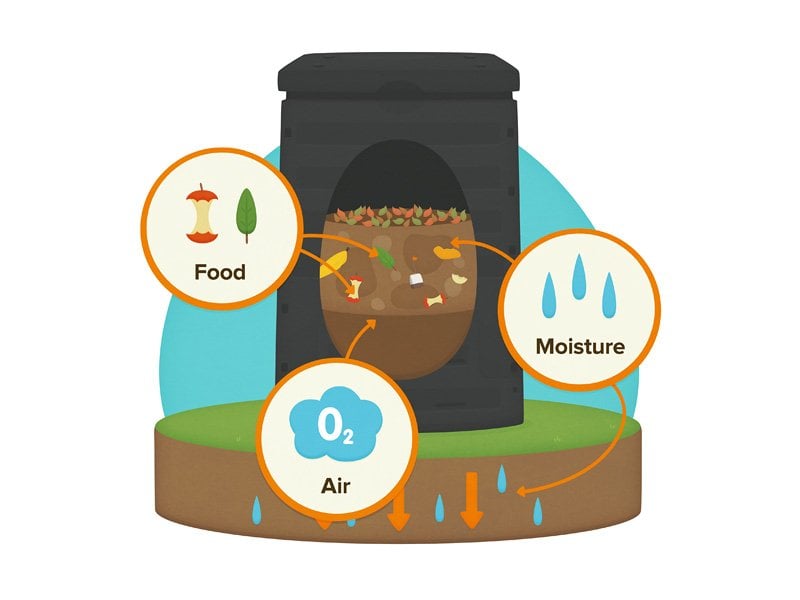
Works by accelerating nature’s natural process of breaking down organic waste into a rich nourishing compost, teeming with life and a supercharger for your garden.
Composting systems recycle all types of organic waste including food, paper, cardboard and garden materials. This makes them perfect for larger households.
Open-bottom units need to be placed on soil. As the scraps break down nutrient-rich liquid will disperse into the surrounding soil. After ~6 months compost can be harvested from the bottom.
Do the tutorial
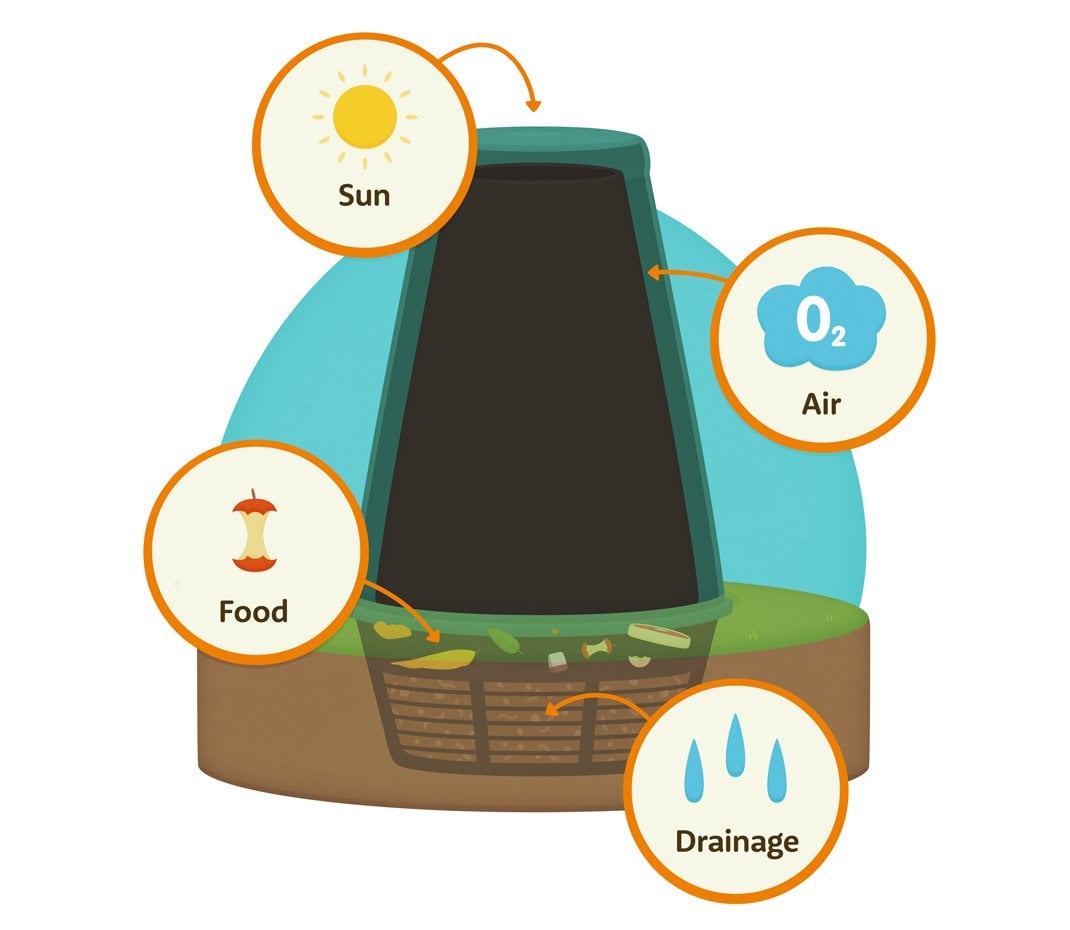
Works by aerobic decomposition, using the sun’s energy to break down food scraps into nutrients that are dispersed by worms and leaching liquids, which nourishes the surrounding soil.
Zero waste. Zero maintenance. Solar boosted composter.
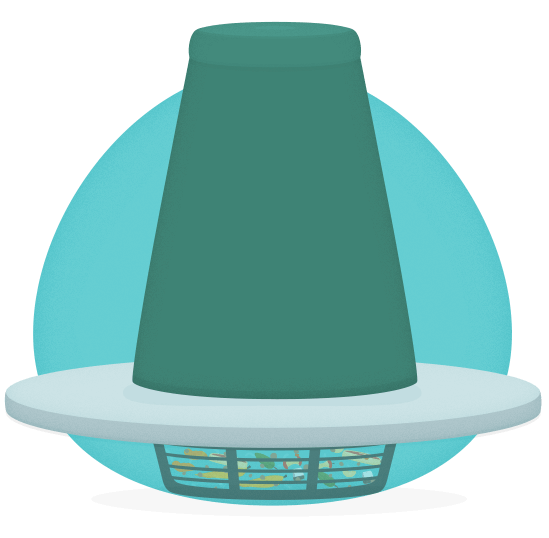
The Green Cone recycles all types of food waste (including meat, dairy, bread and small bones) as well as small amounts of pet poo (not recommended if it is installed near food crops!). Designed to naturally circulate oxygen, there is no need for regular aeration making it perfect for medium to large households looking for a low-maintenance solution.
The system needs to be buried in well-draining soil, with full sun exposure for most of the day. As the food scraps break down, nutrient-rich liquid will disperse into the surrounding soil. No harvestable compost is produced.
Do the tutorial
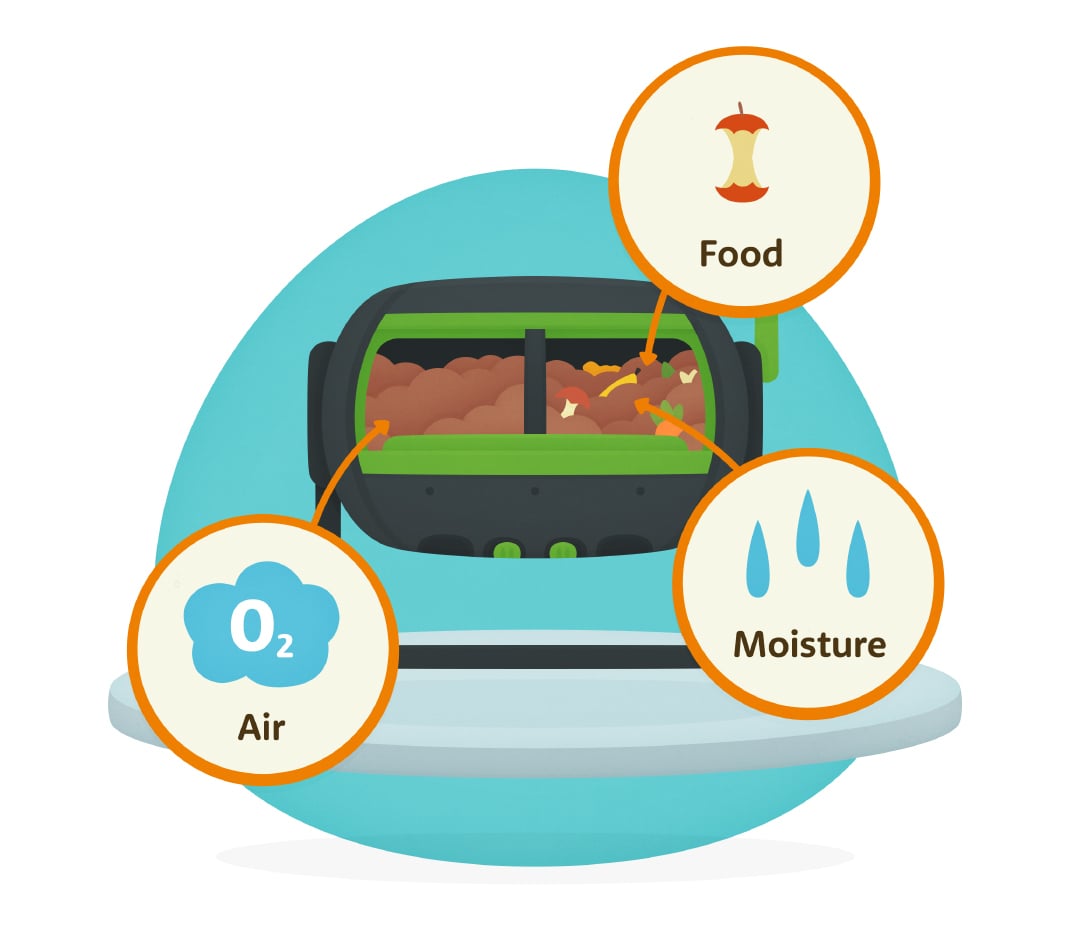
Works by accelerating nature’s natural process of breaking down organic waste into a rich nourishing compost, teeming with life and a supercharger for your garden.
Composting systems recycle all types of organic waste including food, paper, cardboard and garden materials. This makes them perfect for larger households.
Tumblers sit off the ground and can be placed anywhere, including balconies. As the scraps break down nutrient-rich liquid will drain from the tumbler and can be collected to fertilise your garden. After one chamber is full you can let the compost mature whilst filling the other. After ~6 months you can harvest the mature compost.
Do the tutorial
Works with the help of wriggly warriors who chew through your food scraps, producing nutrient-rich worm castings and liquid fertiliser.
Worm farms recycle fruit and vegetables scraps, excluding citrus, onion, garlic and chilli.
The units can be placed indoors or outdoors, in a sheltered location out of the wind, rain and direct sunlight.
With a little tender loving care, worms will chew through your food scraps to produce liquid fertiliser on tap. This is diluted 10:1 and watered onto your plants. Worm farms also produce nutrient-rich worm castings, which can be harvested every 2–6 months or whenever you need space for more food scraps.
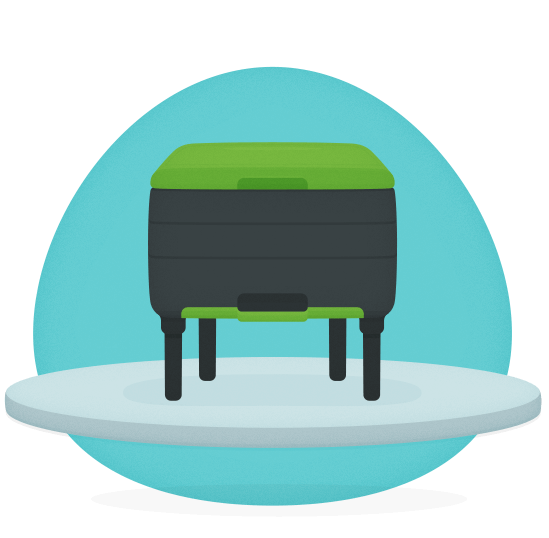
Choose from The Farm, our compact, stylish award-winning worm farm made here by the Compost Revolution in Melbourne, Australia, or the large capacity SubPod or Hungry Bins, both made in the USA and ready to munch through 2L of food a day!
Select tutorial
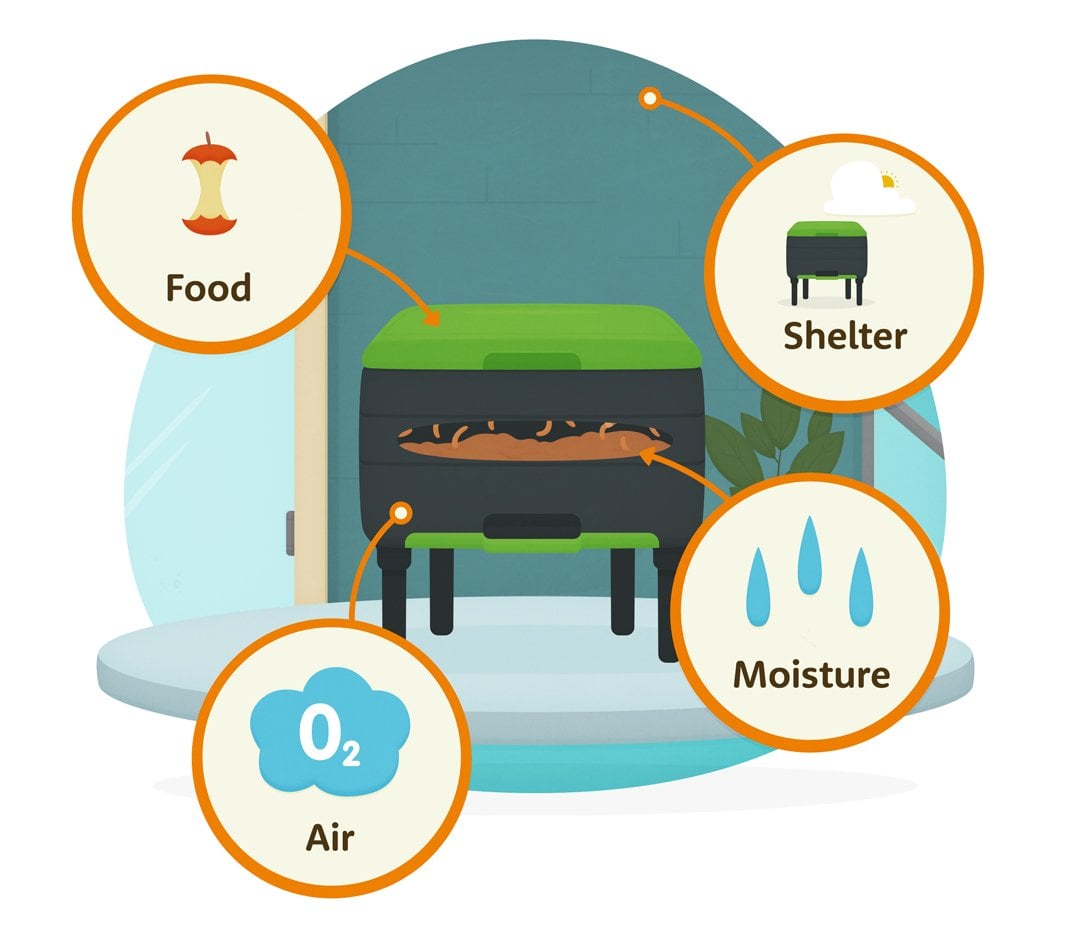
Works with the help of wriggly warriors who chew through your food scraps, producing nutrient-rich worm castings and liquid fertiliser.
Worm farms recycle fruit and vegetables scraps, excluding citrus, onion, garlic and chilli.
The units can be placed indoors or outdoors, in a sheltered location out of the wind, rain and direct sunlight.
With a little tender loving care, worms will chew through your food scraps to produce nutrient-rich worm castings which can be harvested every 2-6 months. Liquid fertiliser also flows out of the farm on a regular basis, which can be diluted 10 to 1 with water to create free organic fertiliser for your garden.
Choose from the Farm, our compact, stylish award-winning worm farm made here by the Compost Revolution in Melbourne, Australia, or the large capacity Hungry Bin, made in New Zealand and ready to much through 2L of good a day!
Do the tutorial
Works with the help of wriggly warriors who chew through your food scraps, producing nutrient-rich worm castings and nutrients for the surrounding soil.
Below-ground worm farms recycle fruit and vegetable scraps, even small amounts of citrus, onion, garlic, and chilli.
These units can be installed directly into soil or in raised garden beds. Although underground, it is still beneficial to choose a sheltered location out of direct sunlight if you can.
With a little tender loving care, worms will chew through your food scraps to produce nutrient-rich worm castings, which can be harvested every 3–6 months. Over time, the garden surrounding your underground worm farm will be rich and thriving due to the nutrient flow from the farm into the surrounding soil.
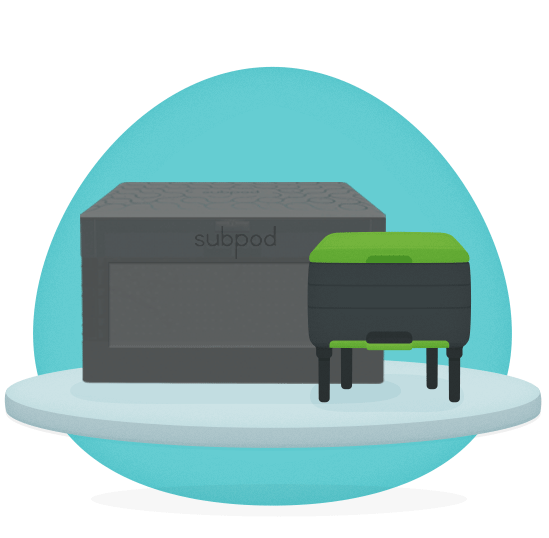
Choose from the Subpod Classic, with its dual chambers for larger capacity (up to 20L a week!) and easier harvesting of castings, or the Subpod Mini, designed for smaller spaces and food quantities (about 10L a week).
Do the tutorial
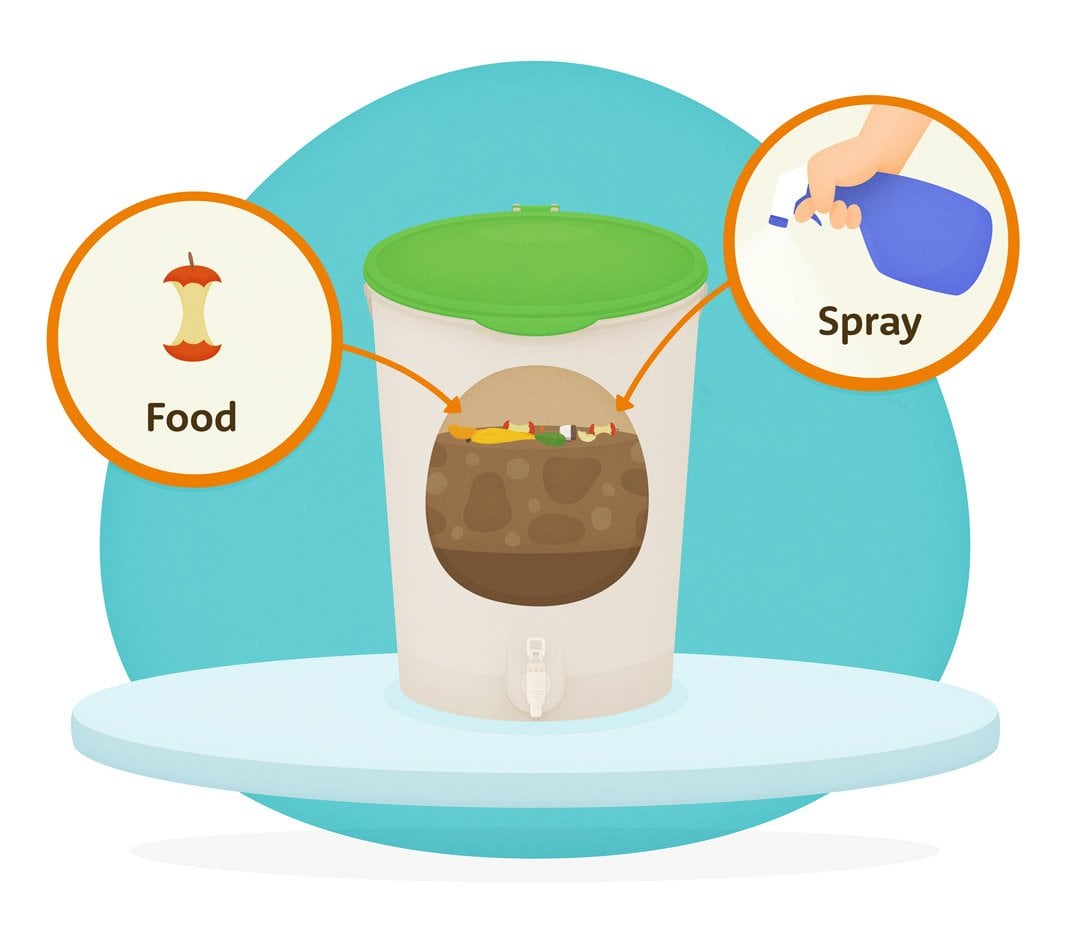
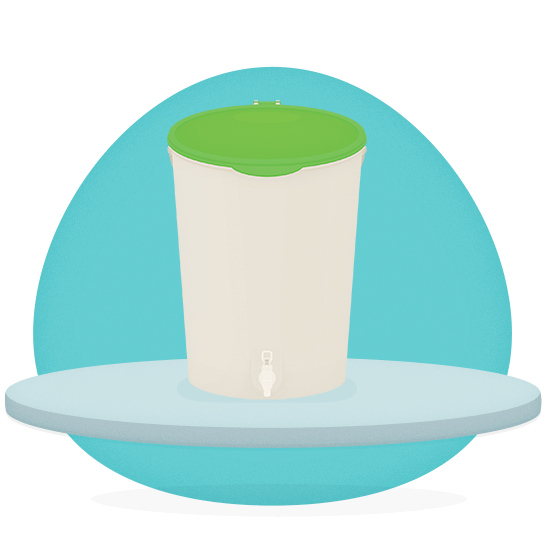
A special culture of beneficial, naturally occurring microorganisms (EM) ferment food waste in anaerobic conditions, producing liquid fertiliser and fermented scraps.
Bokashi systems ferment all types of food waste (including meat, dairy, bread and small bones). The unit can be placed indoors or outdoors, in a cool location.
Food waste is added then mashed down to remove air pockets, followed by a spray of enzyme or handful of enzyme grain. Effective microorganisms (EM) then ferment food waste in anaerobic conditions.
Liquid fertiliser needs to be tapped every few days. Once the unit is full, the scraps are left to ferment for 1-2 weeks before being added to a compost bin or buried in soil. Fermented scraps will break down in 2-3 weeks in the soil delivering rich nutrients to surrounding plants.
Do the tutorial
All Tutorials
Compost bins process your scraps via above ground, partially buried, or rotating chambers.
- Processes lots of food scraps (limit meat and dairy).
- On-ground and tumblers compost garden waste too.
- Low maintenance.
Produces fluffy compost for fertalising, mulching and building up your soil. You can even use it like soil and plant straight into it.
See benefits
Worms break down food scraps into solid and liquid nutrients in traditional multi-tray and new below ground farms.
- Processes small to medium amounts of food scraps, primarily fruit and vegetables.
- Suitable for indoor as well as outdoor placement.
- A bit more maintenance.
All worm farms produce rich worm casting fertaliser. Traditional farms also produce lots of liquid fertiliser for your plants.
See benefits
Bokashi uses anaerobic microbes to ferment food waste in a sealed kitchen bench bin.
- Ferments medium amounts of food scraps, all kinds!
- Suitable for indoor or outdoor placement.
- Low maintenance, except when emptying.
Produces fermented food scraps (you then bury as a soil improver) and concentrated liquid for dilution as fertiliser for your plants, or a probiotic all purpose cleaner.
See benefits
Traditional compost bins accelerate nature's nutrient reycling using heat created within above ground chambers.
- Processes lots of food scraps (limit meat and dairy) and garden waste.
- Place above ground units on open soil.
- Low maintenance.
Produces rich compost for your garden.
See benefits
The Green Cone Solar Composter accelerates decomposition even faster than traditonal compost bins by harnessing the sun's power in twin chambers to produce heat and convective aeration.
- Processes lots of food scraps (inc. meat and dairy) + small amounts of pet poo!
- Must be dug into well draining soil in a sunny location.
- Almost zero maintenance.
Produces nutrients that enriches the surrounding soil (1m radius). Does not produce harvestable compost.
See benefits
Tumbler compost bins accelerate nature's nutrient reycling using heat created within rotating chambers.
- Processes lots of food scraps (limit meat and dairy) and garden waste.
- Tumblers can go anywhere including balconies.
- Low maintenance.
Produces rich compost and liquid fertiliser for your garden.
See benefits
Hungry worms break down food scraps into solid and liquid nutrients in multiple trays within the farm.
- Processes small to medium amounts of food scraps, primarily fruit and vegetables.
- Suitable for indoor as well as outdoor placement.
- A bit more maintenance.
Produces rich harvestable worm castings as well as lots of liquid fertiliser for your garden.
See benefits
Hungry worms break down food scraps into solid and liquid nutrients in the ground.
- Processes medium to large amounts of food scraps, primarily fruit and vegetables.
- Suitable for gardens with good draining soil and raised beds
- A bit more maintenance (including aeration)
Produces rich harvestable vermicompost and nurtures the surrounding soil via worm movement and leachate draining.
See benefits