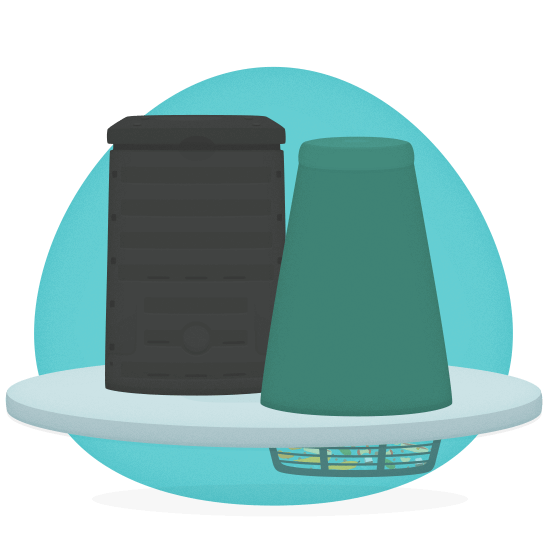
Composting systems vary in what they recycle, including all types of organic waste such as food, paper, cardboard, and garden materials. They all process larger volumes, making them suitable for households with a lot of food and/or garden waste.
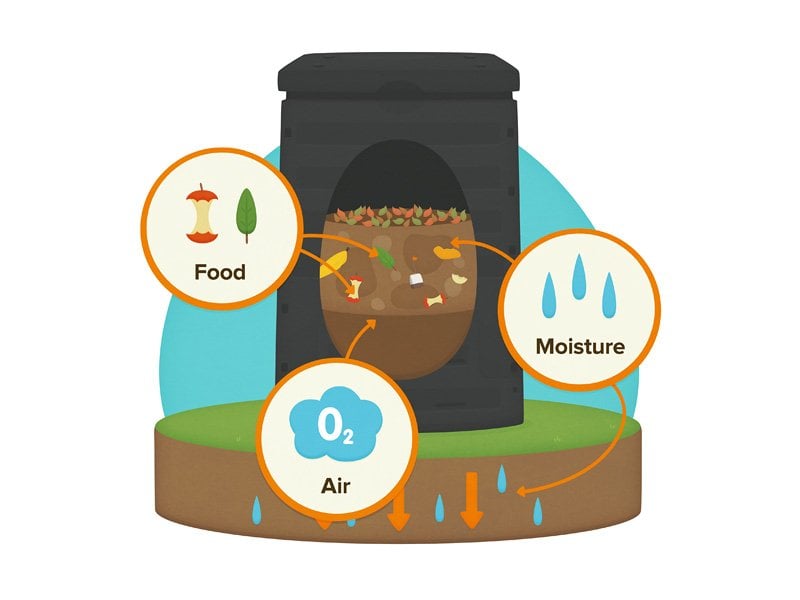
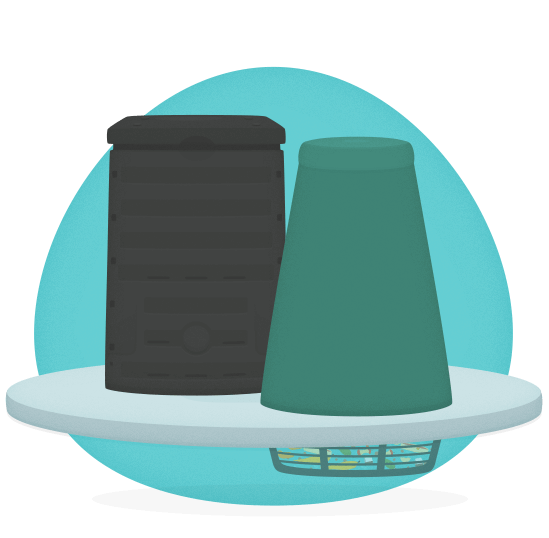
On-ground composters need to be placed on soil. As the scraps break down, nutrient-rich liquid disperses into the surrounding soil, leaving compost to be harvested from the bottom every 6–12 months. Each time you add kitchen scraps, stir them in for about 30 seconds and cover with equal parts garden scraps (kept stockpiled near your compost bin). On-ground composters produce compost in 3–6 months.
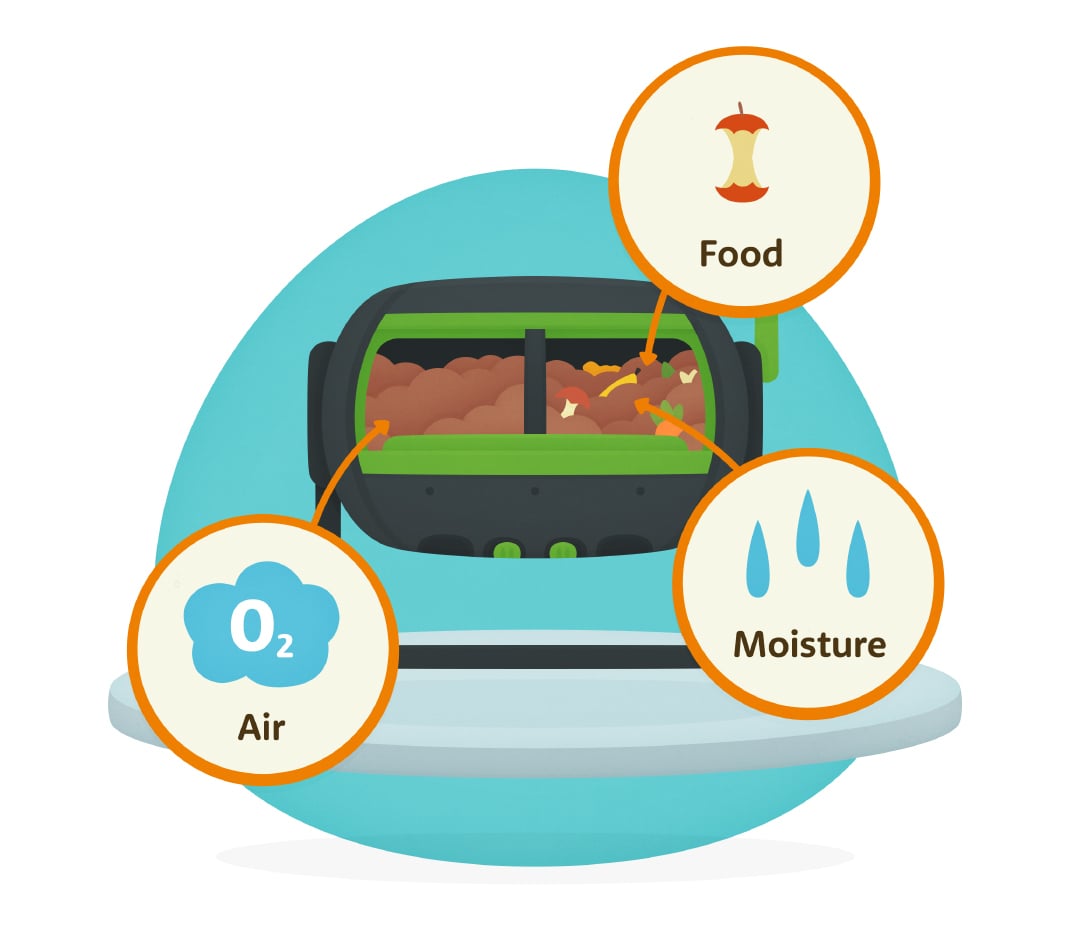
Tumbling composters sit off the ground and can be placed anywhere, including balconies. After adding kitchen scraps, simply rotate the drum a couple of times using the cranks and cover with equal parts garden scraps (kept stockpiled under your tumbler). Tumblers produce compost in 3–6 months.
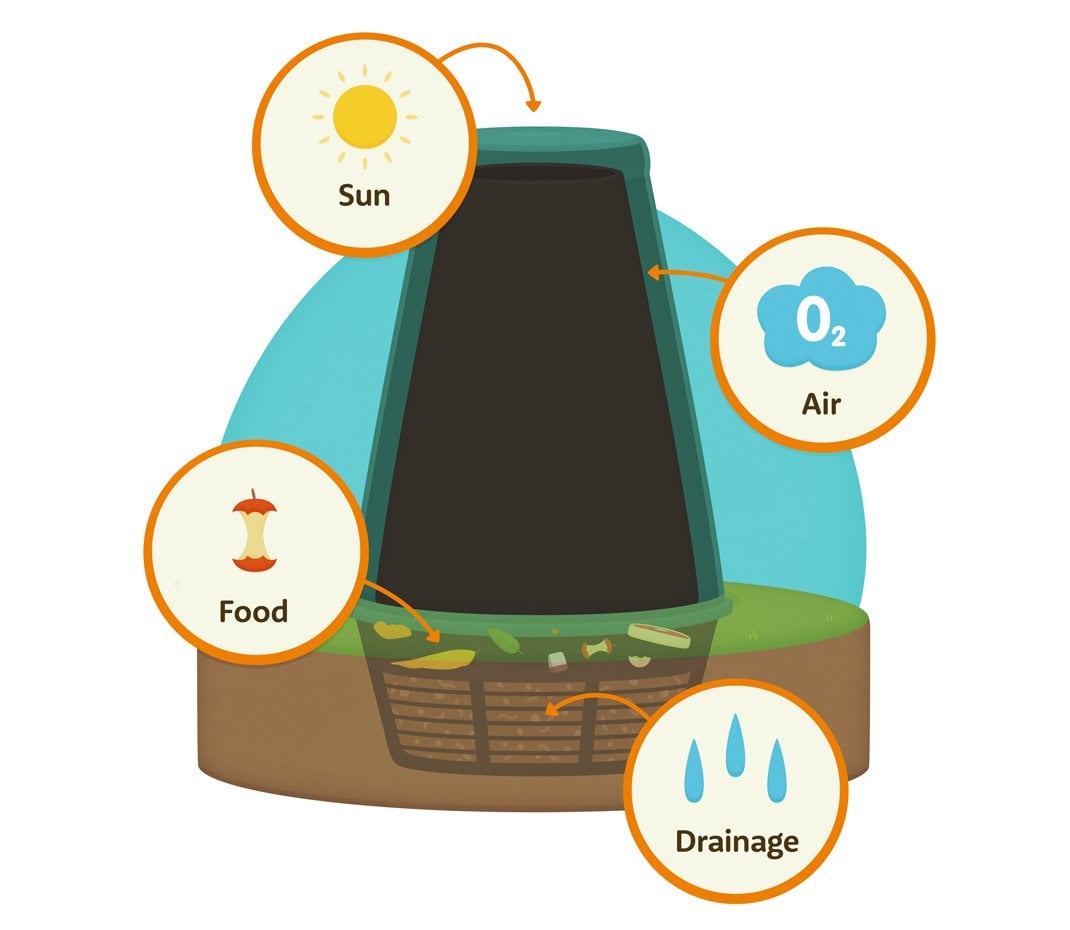
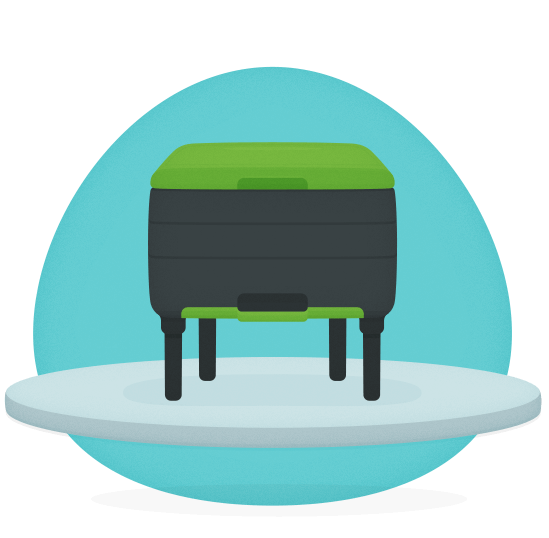
Solar composters are partially dug into the ground and capture more heat from the sun, which aerates the compost without the need to turn it. They are faster than the other two systems and require less maintenance. They do not compost garden organics but do process all kinds of food waste and even pet poo!